More Than Skiing: What to Do in Kijimadaira in Winter
This article comes to you from someone who loves snowboarding but was super pregnant (sadly and happily all at the same time, iykyk) during the best snow season this region has ever seen.
We’ve been all over Japan snowboarding over the last 15 years, and Kijimadaira is truly the perfect winter base - from no-skills-required sledding at our doorstep, to onsen excursions, soba / washi-making sessions, igloo hotpots and snowshoeing treks, there’re really so many ways to truly experience the joy of winter in rural Japan.
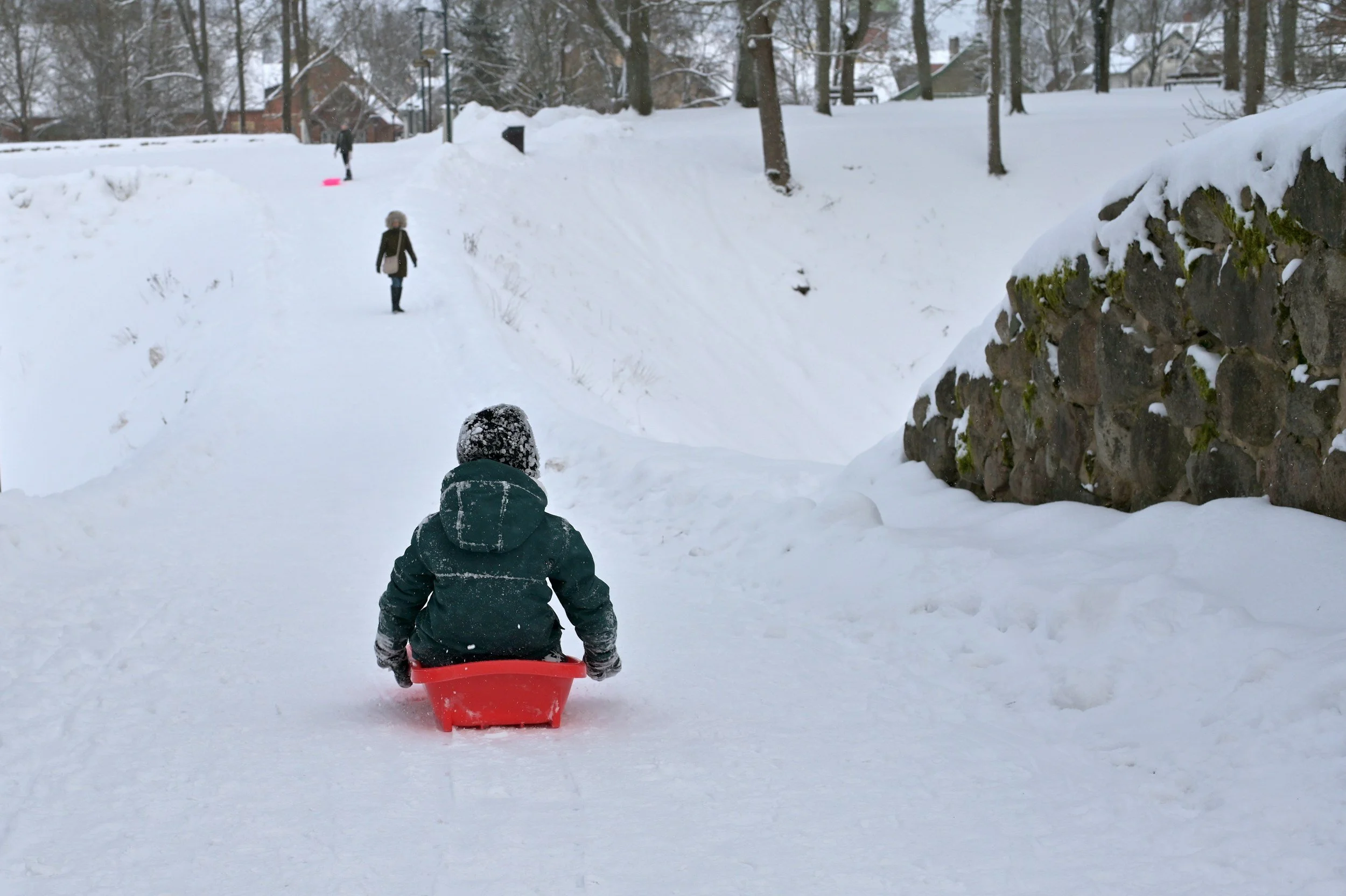
No Skills Required: Sledding at Your Doorstep (and Beyond)
So you want to introduce the joy of winter and snow to your children, but aren’t a “cold weather person” nor a “snow sports person” - great news!
Kijimadaira has practically idyllic winter conditions - temperatures that stay in the single digits, and fluffy powdery snow to play in that doesn’t get you soaking wet and freezing in a hour.
Situated on mountain-side slopes, all KIJIMA Lodges are perfectly positioned for some front-yard sledding once the snow has built up, and our home mountain, the Snow Resort God of Romance has its own 800m sled course! In the village, sled slides are also usually put up at Farmus once the snow is ready.
Each KIJIMA Lodge comes with two sleds for guests to enjoy. We just ask that you treat them with care — if a sled doesn't survive the trip, there's a ¥5,000 replacement fee per sled. Or, if you'd rather sort it yourself, Cainz stocks a good equivalent and is easy to get to.
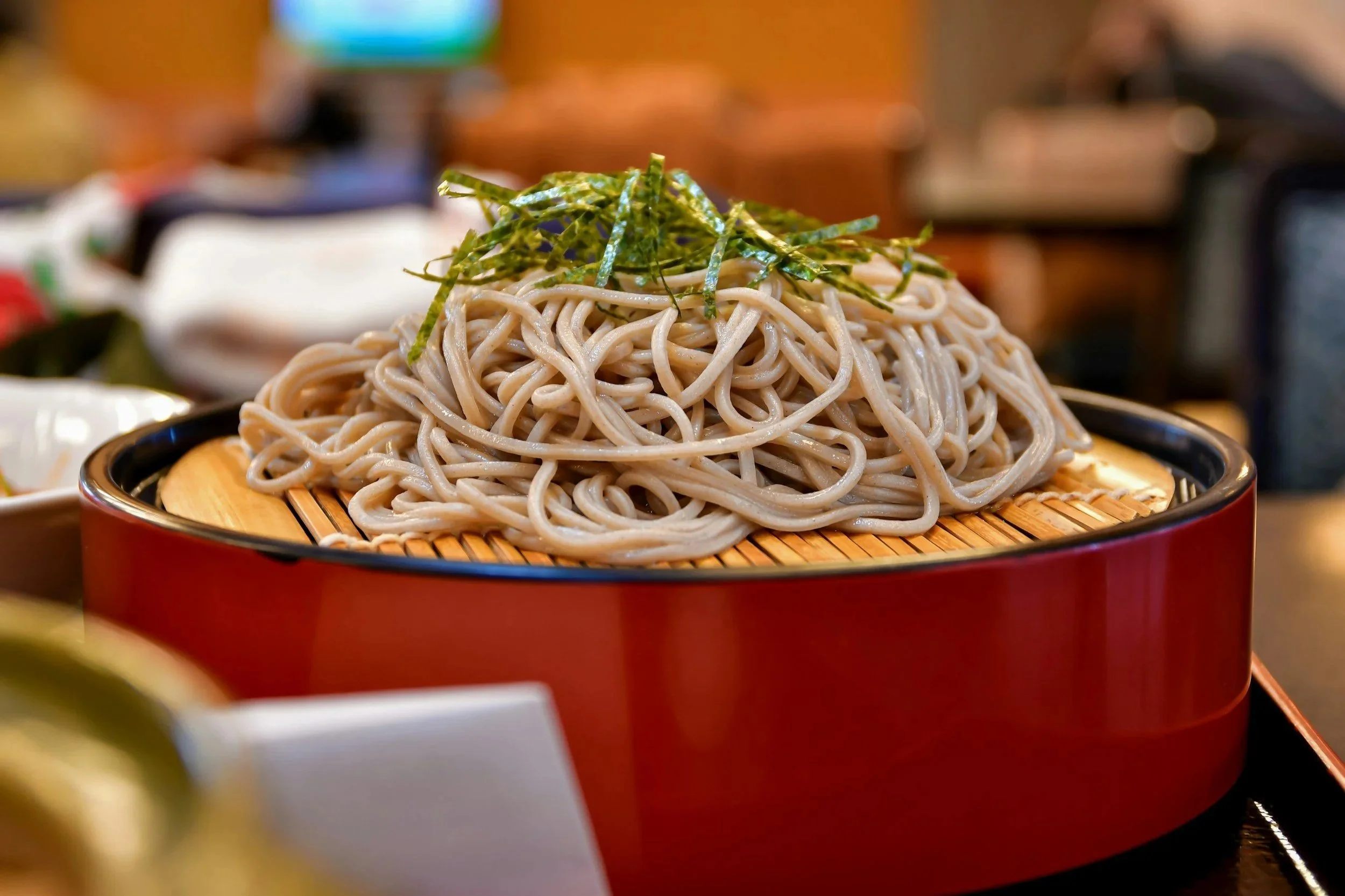
Soba Making
Kijimadaira grows its own buckwheat. The village's cold climate and mountain spring water produce a particularly flavourful crop, and there is a small society of local soba enthusiasts who have been perfecting the noodle for years.
Using 100% stone-ground Kijimadaira buckwheat flour, the Kijimadaira Soba Making Research Society runs two-hour sessions where members guide you through the full process of making soba noodles — kneading, rolling, and cutting. Each session produces one set of noodles: 500g, enough for four to five adults.
You can eat them on the spot or take them home. Wednesday and Thursday sessions are takeaway only, and you will need to bring your own takeaway container / bag.
| Group size | Price |
|---|---|
| 1 person | ¥6,000 per session |
| 2 people | ¥3,000 per person |
| 3 or more people | ¥2,500 per person |
Pre-school children (before elementary school age) join for free. Elementary school age and above are charged at the standard rate.
Distance from the KIJIMA Lodges: Kijimadaira Village Tourism Exchange Centre — within the village, less than 10 minutes by car.
Accessibility: Standing activity for approximately 1.5–2 hours. Kneading and rolling dough requires some upper-body effort. Not suitable for guests who cannot stand for extended periods.
Language: Sessions are conducted wholly in Japanese. The process is largely hands-on and visual — the instructors demonstrate each step and guests follow along.
Book: Online via this booking link. Book at least one week in advance. A cancellation fee applies from the day before.
Washi Paper Making at Kamisukiya
Kijimadaira has been producing washi paper for generations. Uchiyama-gami — the variety made in this part of Nagano — is a nationally recognised traditional craft, with origins in the village going back centuries. Kamisukiya, a small workshop run by a family in the village, offers hands-on experiences at every level, from making a single postcard to spending an afternoon learning the traditional process from scratch.
The most popular starting point is a basic session: you scoop paper pulp into a wooden frame and spread it evenly as the water drains. It requires a slow, attentive rhythm. The result is a sheet of handmade paper with your own texture and density, ready to take home.
More involved sessions produce washi fans, paperweights, photo frames, or paper lanterns. At the longer end, there are two traditional methods — Nagashizuki and Kazuhataki — for guests who want the full immersion.
| Experience | Price |
|---|---|
| Postcard or A4 sheet | ¥2,000 per person |
| Washi craft (fan, paperweight, lantern, etc.) | ¥3,000 per person |
| Creative washi art (A2 and above) | ¥5,000+ per person |
| Nagashizuki or Kazuhataki (150 min, traditional method) | ¥20,000 for up to 4 people |
Distance from the KIJIMA Lodges: Within Kijimadaira village — less than 10 minutes by car.
Accessibility: Seated and light standing activity. Suitable for most ages and fitness levels.
Language: Sessions are available in both Japanese and English.
Book: kamisukiya.com — book via LINE or by email.
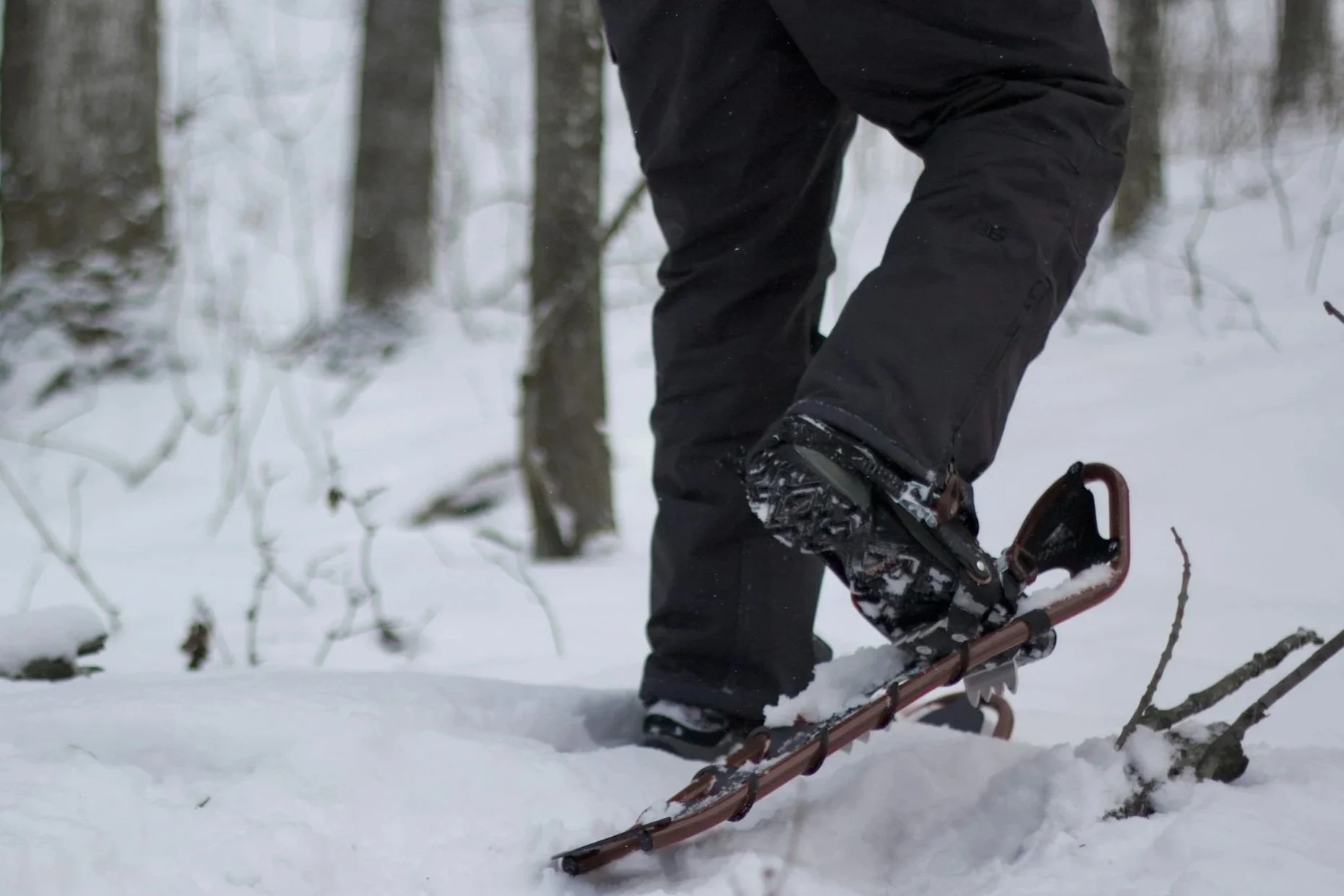
Explore the Forests: Snowshoeing
Kijimadaira's forests above the village are one of winter's quieter rewards. The undergrowth that blocks the trails in summer disappears under a metre or more of snow, opening up terrain that's unreachable any other time of year — beech stands, frozen streams, wide clearings where in summer you'd be wading through grass.
The Kijimadaira Village tourism board organises snowshoe tours through the winter, led by local guides who know where the animal tracks are and where the best views open up. Tours meet at the Kijimadaira Village Tourism Exchange Centre in the heart of the village. Contact the tourism board to find out what's running during your dates.
For something more remote, Nabekura Kogen in Iiyama runs guided snowshoe tours through ancient beech forest — about 25 minutes from Kijimadaira — from late December through March. Tours run with a minimum of two people at ¥10,000 per person. Details at nabekura.net.
Distance from KIJIMA Base: Kijimadaira Village Tourism Exchange Centre — within the village, less than 10 minutes by car. Nabekura Kogen (Iiyama): approximately 25 minutes.
Accessibility: Flat snowshoe walks are manageable for most fitness levels; guides adapt to the group's pace. Not suitable for guests with significant mobility limitations.
Language: Guides are local and speak Japanese. Most instruction during the activity is hands-on — you'll follow and copy. For any specific questions or requirements, contact the tourism bureau in advance; they can often help bridge the language gap before the day.
Book: Kijimadaira Village tourism bureau: 0269-82-2800 / kijimadaira.org. Book ahead; winter dates fill quickly.
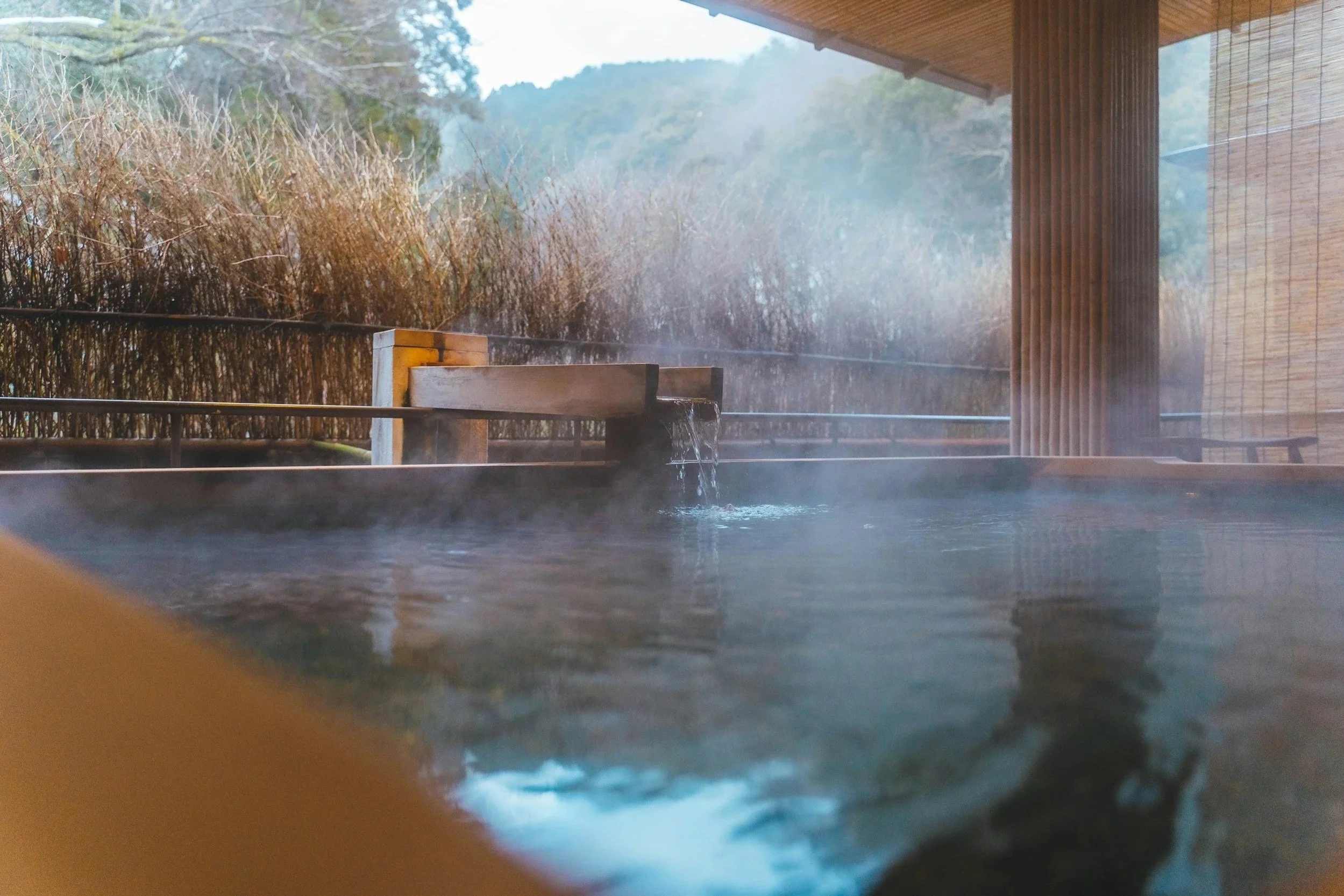
Winter Onsen - An Essential Japanese Experience
Speaking from personal experience - there is nothing quite like soaking in an outdoor hot spring while snow falls around you. It’s peaceful, restorative, and the contrast between hot and cold is deeply relaxing in a way that defies description.
The nearest place to the KIJIMA Lodges where you can enjoy a hot soak is at the SBC Resort Kijimadaira hotel at the ski mountain base, and there are plenty more within a short drive. For those of us who crave a quiet moment to heal and reset, taking an hour out of your day to indulge in a winter onsen is a lovely way to add a memorable pause to an otherwise (potentially) hectic sightseeing schedule.
Distance from the KIJIMA Lodges: Varies - refer to our detailed guide for more information.
Accessibility: Onsen are typically wet, slippery places with hot bathwater, hard tiles, and few support handles. Reasonably independent mobility is strongly recommended. Children up to 6 years old may bathe with opposite sex parents.
Language: In more local onsen, instructions, warnings and announcements are only posted in Japanese. In more touristed locales, they may also be available in English. You may wish to use Google Translate to scan notices to get view them in your language.
Fees: Daytrips to onsen range from ¥500 to ¥1200 per person. This fee usually includes a single entry with no time limit, as well as bathing soap and shampoo. Towels are usually not provided - guests of the KIJIMA Lodges are welcome to bring the towels provided in their rooms (just bring them back because there’s a ¥1000 replacement fee per missing towel).
→ Full guide: 5 Onsen Within 30 Minutes You Need to Experience — coming soon
Time-Limited Winter Experiences
Winter is a special time in Nagano, and if you’re lucky, your visit may just coincide with some of our favourite events during this time!
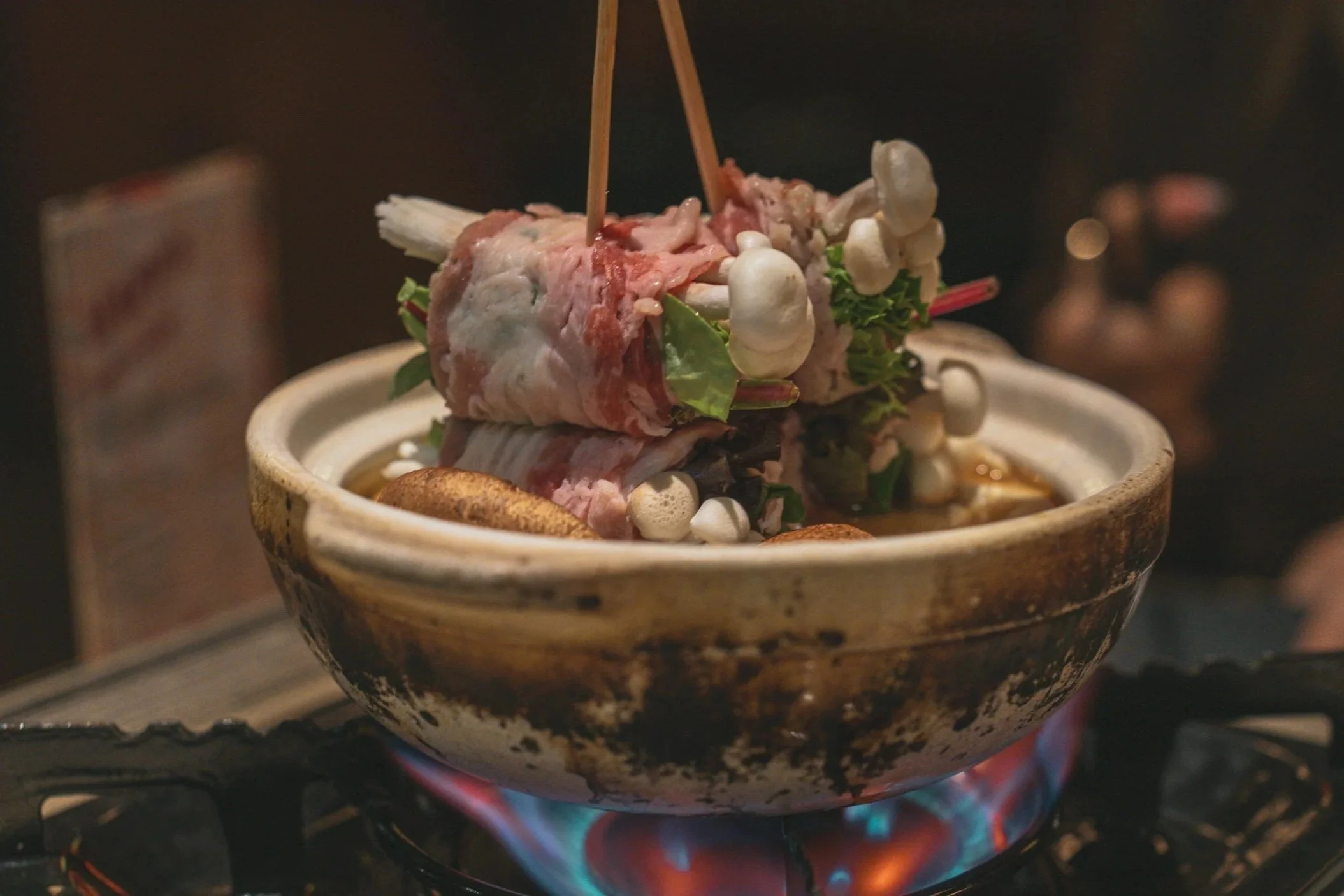
Restaurant Kamakura Village
Mid January - End of Winter
Kamakura is the Japanese name for snow huts, and the Kamakura Village is set up every winter in Iiyama. Unlike igloos, kamakura are built by packing a mound of snow, before hollowing out the inside. The start date of the village usually aims for mid-January, depending on weather conditions, and runs to the end of winter.
You can visit the Kamakura Village just for photography and sightseeing (entry fees apply), or you can have a lunch or dinner there (reservations required) during your visit. Noroshi Nabe is served for meals, and is a miso-based hotpot broth with local produce.
The information for the Kamakura Village each year is season-sensitive, so please check the website before visiting.
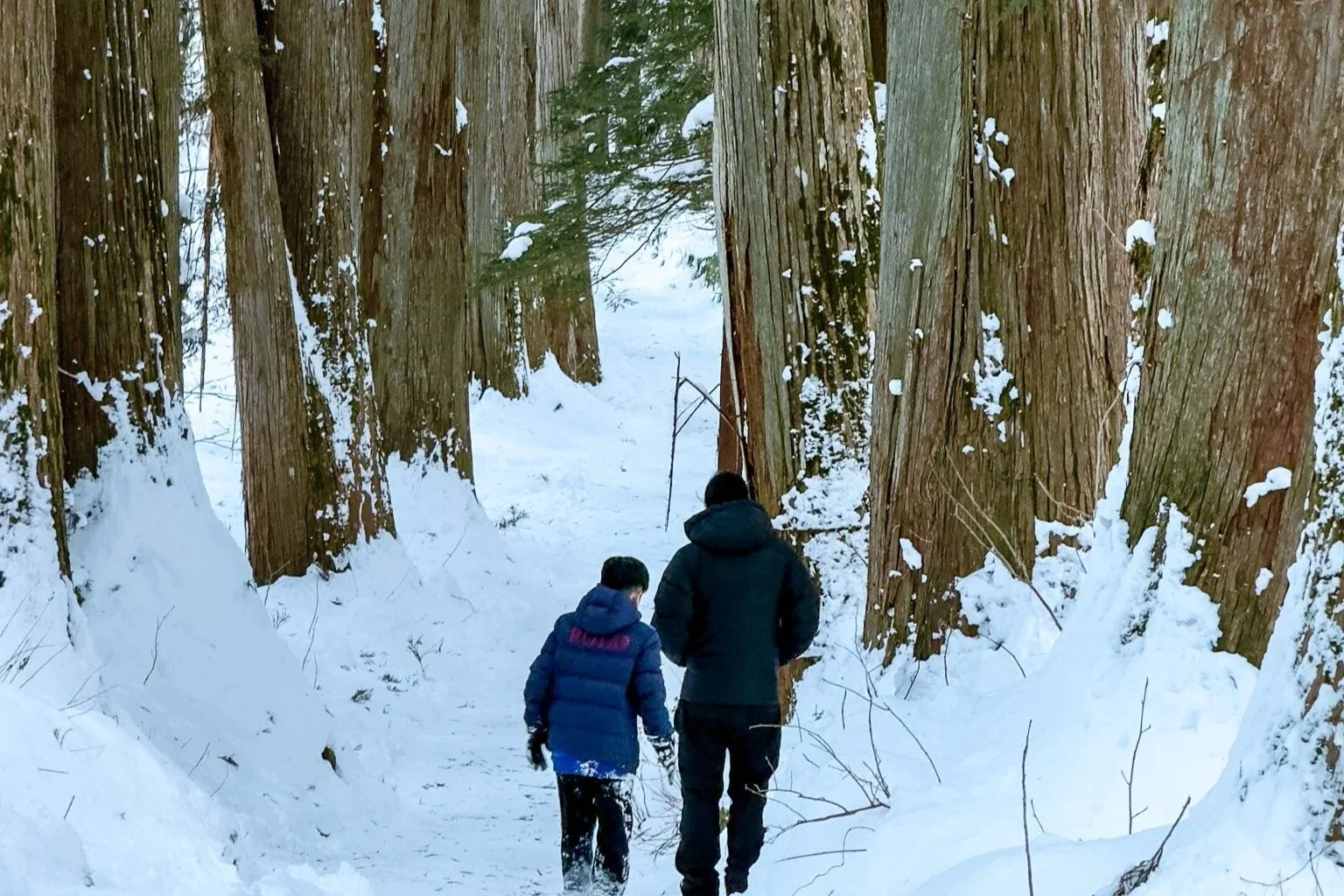
Togakushi Shrine
Closes by early Jan, reopens in Spring
The walk to Togakushi’s Okusha Shrine ( 53min drive from KIJIMA Lodges ) is a meditative experience, and in early winter, there are just a handful of weeks that you can enjoy the magical, snow-blanketed stroll before the cedar avenue closes to public access. If you’re lucky enough to do the Togakushi Shrine walk before it closes in winter, make sure to wear waterproof, snow boots/ shoes with good grip, and start at least 2-3 hours before sunset so you have enough time to make the return trip comfortably.
For the most serene experience, we recommend starting with a leisurely lunch at the soba shop at the start of the trail, before going on your trek. It’s usually quietest 2 hours before sunset (usually 430 - 5pm in winter) - just make sure you get back to the car before dark.
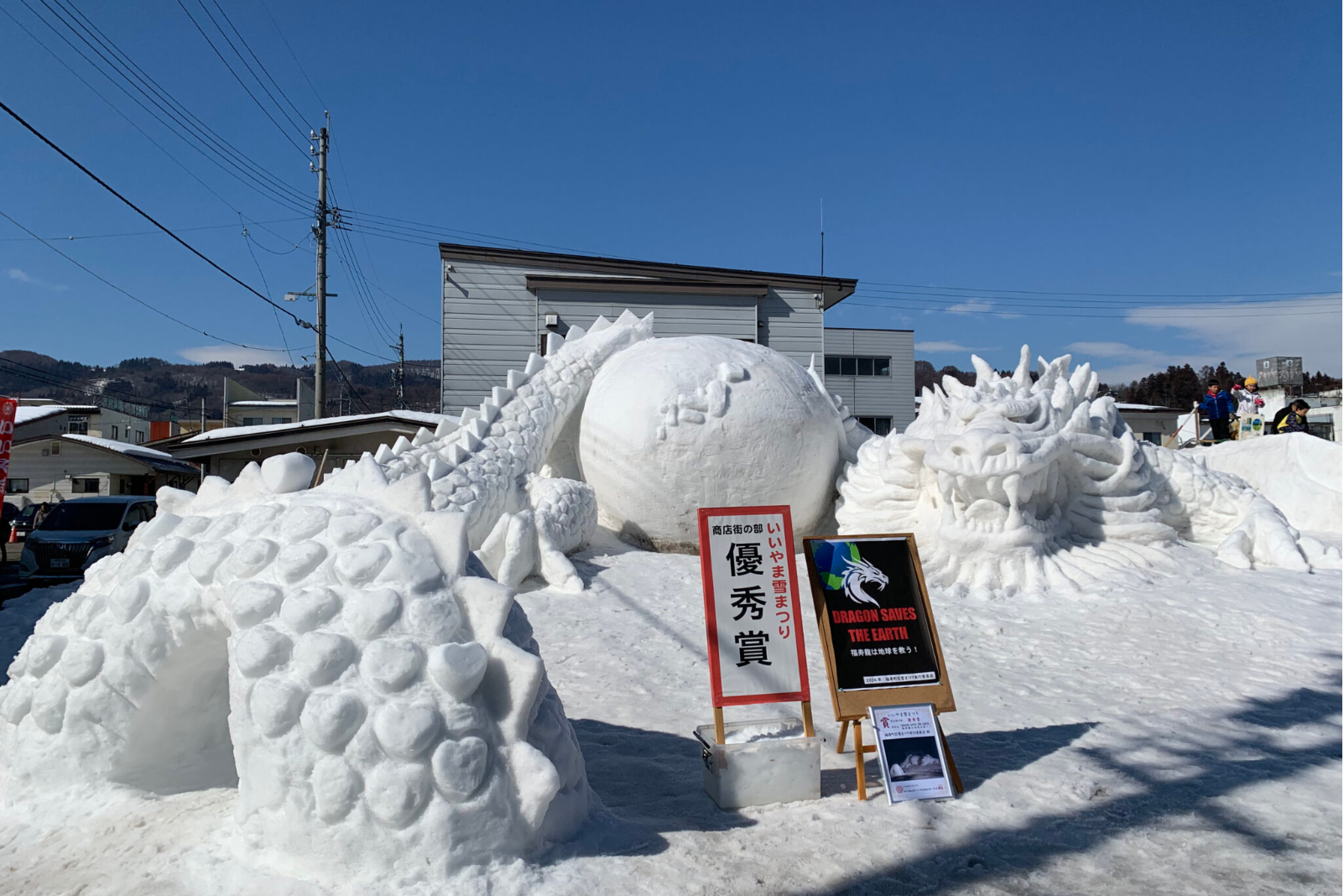
Iiyama Snow Festival
Usually held in early February
The Iiyama Snow Festival was created as a way to revitalise our part of rural Japan, and the quality of the snow sculptures submitted every year have been truly spectacular! Usually held around early February, for a couple of days each winter, join in the local celebration of the absolutely massive amount of snow we get.
Winter in Kijimadaira works well for family and friend groups because it doesn't insist on a single thing. The slopes are there for those who want them. The village and its surrounds has enough off-mountain that non-skiers, young children, and anyone who needs a slower day will still find much to enjoy. Split up in the morning for different days of adventure or soak it all up together - either way the KIJIMA Lodges make the perfect base. Ready to book your next winter holiday? Click here to check out lodge options.