Tokyo to Kijimadaira, Nagano: 99 Minutes by Shinkansen — and Three Things We Always Do
Getting to Kijimadaira from Tokyo is so straightforward — just 99 minutes by the Hokuriku Shinkansen, followed by a short road transfer into the mountains. Get the overview below, and three things we always do to get a more enjoyable trip.
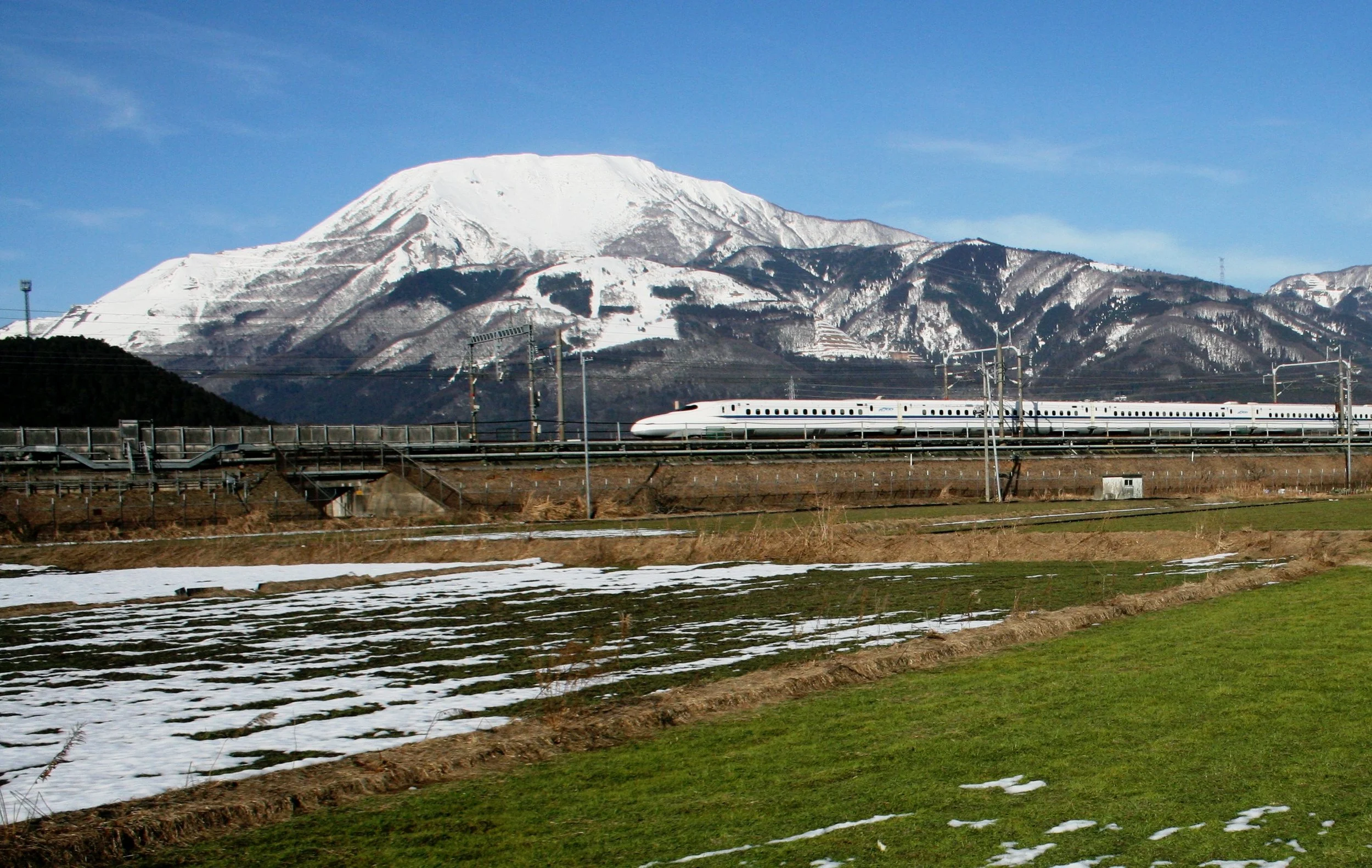
The Route: Hokuriku Shinkansen, Tokyo → Iiyama
The fastest and most direct way to reach Kijimadaira from Tokyo is the Hokuriku Shinkansen from Tokyo Station to Iiyama Station. The journey takes approximately 99 minutes on the Hakutaka service — no changes required.
We recommend booking tickets as early as possible for travel during peak periods (December - February, Golden Week, school holidays). Reserve your seats, come prepared with food and drink, and settle in for a scenic introduction to Japan beyond Tokyo.
From Iiyama Station, Kijimadaira village is a 15-minute drive. Taxis are available for hire from outside the station, and in winter, a shuttle bus runs regularly to the ski resort area. Guests staying at the Kichi Collective lodges can book our complimentary transfer service between 9am to 5pm daily.
At a glance:
Departure: Tokyo Station (Hokuriku Shinkansen platforms)
Arrival: Iiyama Station
Service: Hakutaka
Journey time: ~99 minutes
Onward to Kijimadaira: 15 min by road
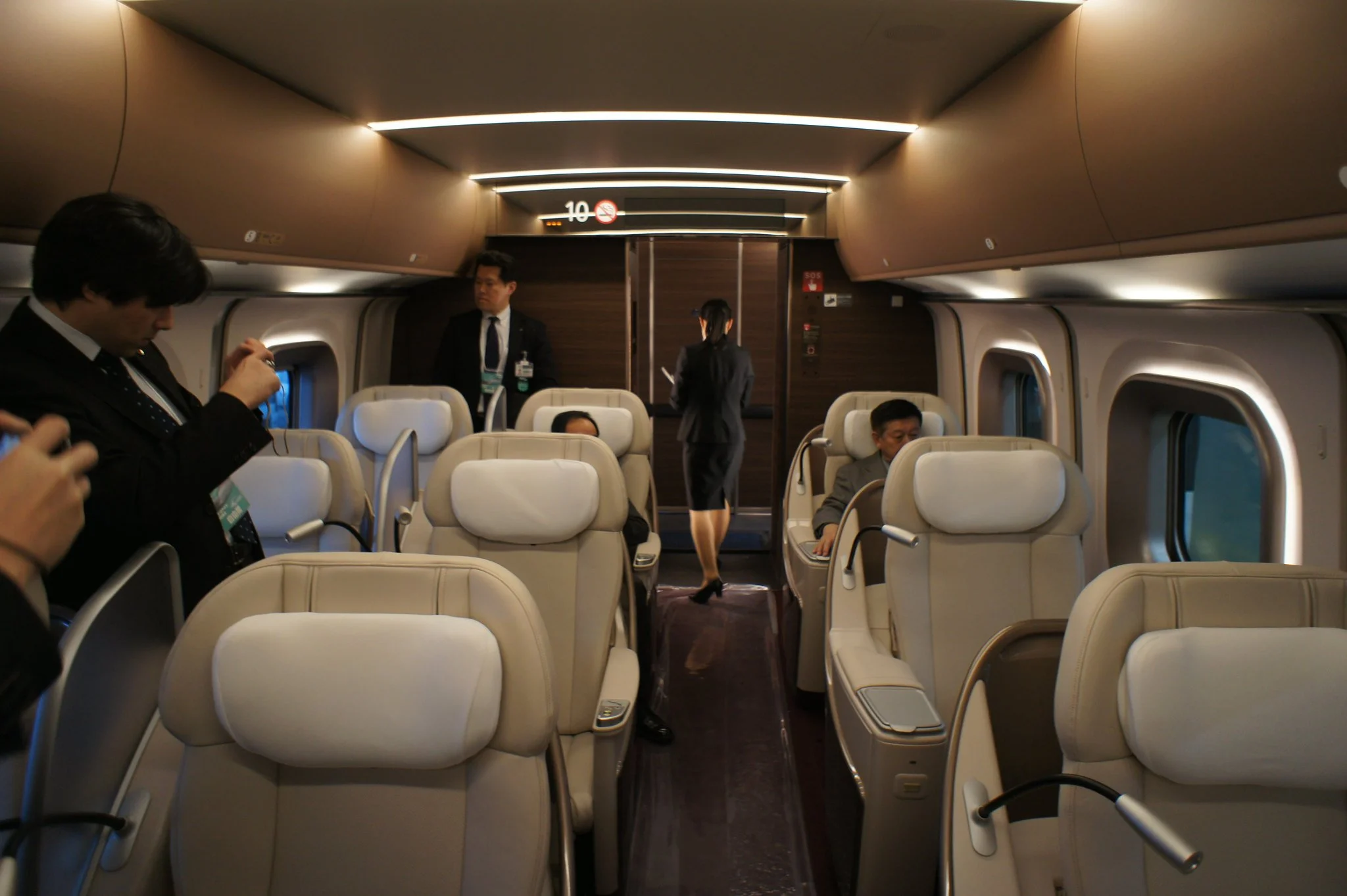
Book Reserved Seats - Here’s Why:
The Hokuriku Shinkansen Hakutaka service has both reserved and unreserved cars, but we strongly recommend reserving. Here's what the numbers look like:
Unreserved seat: approximately ¥8,360 — one-way Tokyo → Iiyama
Reserved seat (ordinary class): approximately ¥8,890
For just approximately ¥530 more each way, you get to enjoy a guaranteed, spacious seat for 99 minutes, enjoying the scenery as it flashes past your window! During ski season and school holidays, unreserved cars (and reserved seats) fill fast — and keeping your balance on a bullet train while keeping a hand on your suitcases and restless kids, dodging new arrivals at every station for over an hour is... certainly a choice.
Prices vary by seat type, distance and season. Check Ekinet for the most relevant prices to your travel dates.
How to book:
JR Pass holders: Reserve in person at any JR ticket office (みどりの窓口) or via the JR Pass reservation service.
Without a JR Pass: Book via Ekinet (JR's official English-language booking site) or SmartEX — up to one month in advance.
Book as early as possible for December–February travel and school holiday periods.
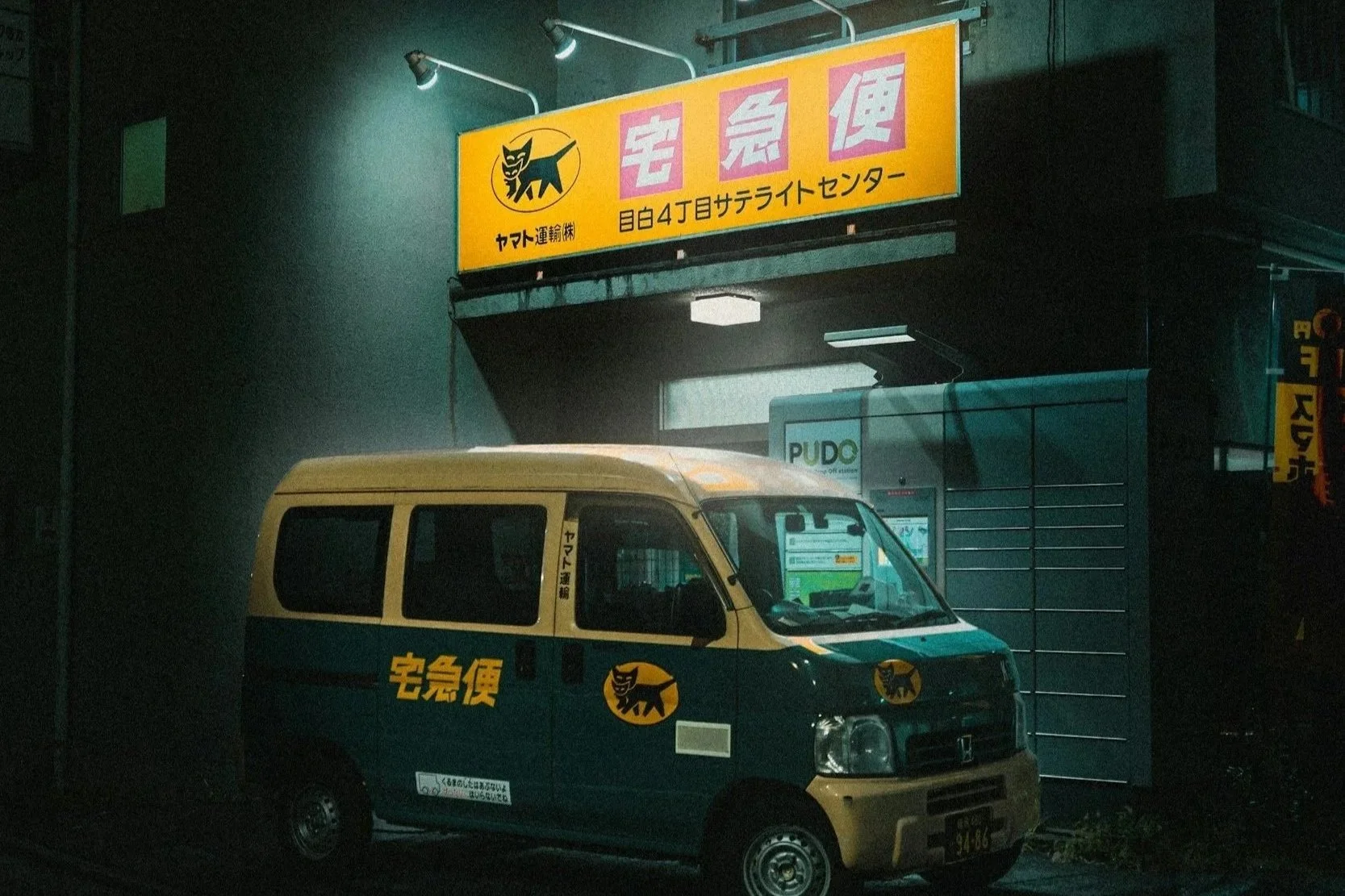
Send Your Luggage Ahead — Especially If You're Skiing
Japan's luggage forwarding service — known as takkyubin (宅急便) — is one of the most practical travel tools available. Rather than hauling suitcases through Tokyo, scaling the countless stairs of Japan’s subway system, and dodging human traffic, savvy travellers in Japan usually send their bulkiest bags ahead. Yamato calls it Hands-Free Travel, and once you've done it, you'll understand why.
The bags usually arrive within 1-2 days, although heavy snow may cause short delays.
What does it cost?
Sending luggage via Yamato Transport's takkyubin service from central Tokyo to the Kijimadaira/Iiyama area costs approximately ¥2,510 for a large suitcase (160cm) and ¥3,660 for a snowboard bag (including the required bag cover). Rates vary by bag size, origin, and destination. For an exact quote, use Yamato's rate calculator (use “Shinetsu” as your destination).
Snowboard and ski bags: what to know
Yamato's dedicated Ski TA-Q-BIN service handles ski and snowboard equipment delivery across Japan, including delivery direct to the lodge. A few things to know before you send:
Bag cover required — Yamato supplies these at an additional ¥600; bring your own to save the fee
Maximum weight per parcel: 30kg
Send at least 2 days before arrival to ensure delivery arrives at the lodge before you do
For ski guests arriving directly from overseas, sending bags from the airport straight to the lodge is the smoothest option — collect your essentials, check in at the counter, and board the Shinkansen unencumbered.
At the Kichi Collective, bags can be received at the lodge directly — let us know your plans on booking.
→ Full guide: How to Enjoy Hands-Free Travel in Japan — coming soon
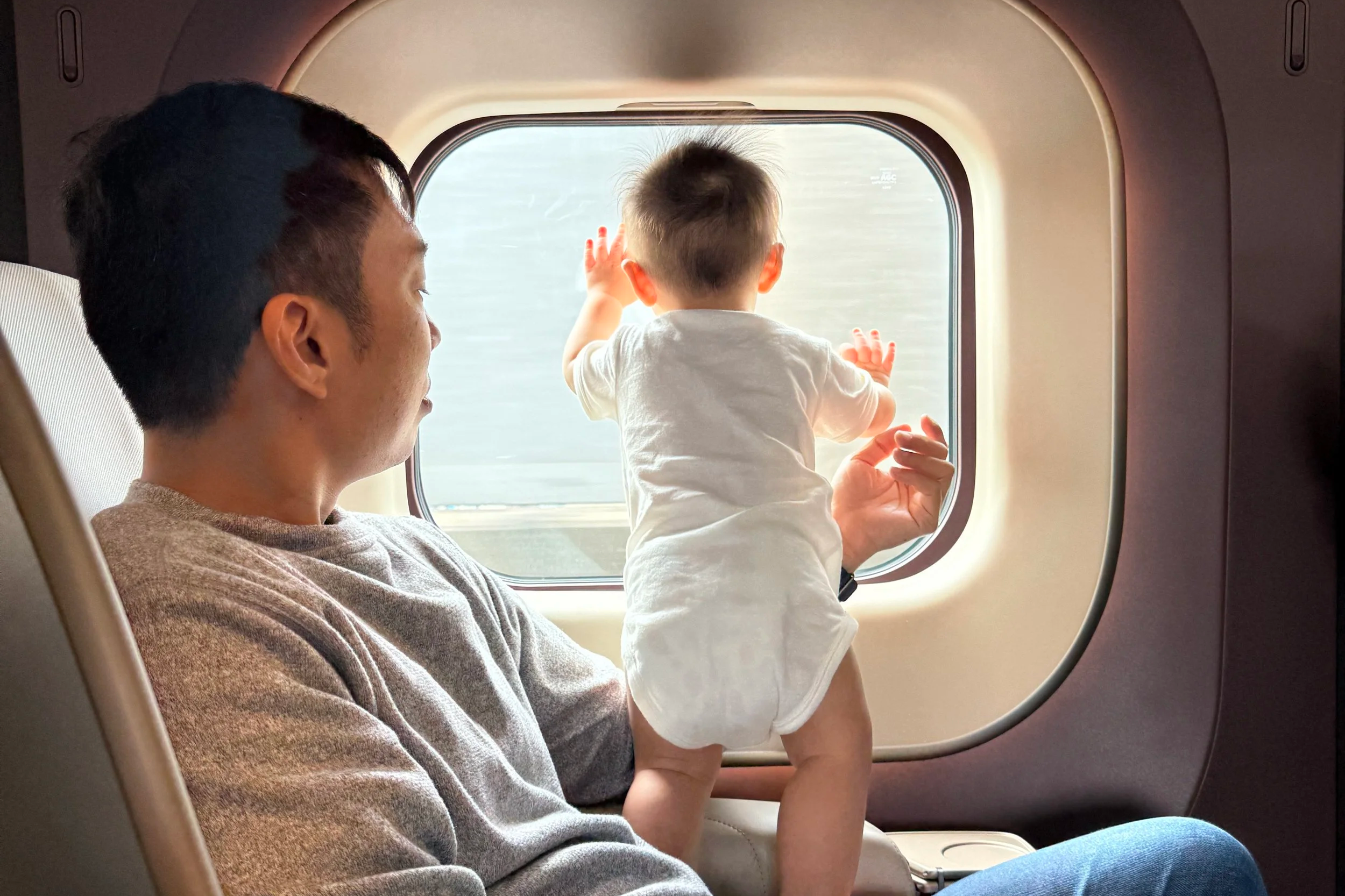
Travelling with Kids
Travelling in etiquette-driven Japan with young, expressive children can be intimidating. So here are a couple of tips to help you prepare:
Shinkansen Fares
Children under 6: travel free when not occupying a dedicated seat
Children aged 6–11: child fare, approximately half the adult price
If a young child needs their own seat (e.g. for a car seat or extra comfort), you'll pay the child fare for that seat
Etiquette on board
The Shinkansen runs at near-library volume. This isn't exaggerated — Japanese passengers keep conversations low, phones on silent, and calls are made in the between-carriage area only. For families:
If a baby is crying or a toddler is unsettled, move to the deck area between cars. Other passengers will understand completely; what they appreciate is the active management.
Aim to book a seat at the ends of the car so you get a wall in front of you instead of the back of a passenger’s seat. There’s just a smidge more leg room for a lap child, and you don’t have to worry about accidentally offending someone with a stray kick from a fidgety toddler.
Avoid the Green Car and Gran Class — these attract solo business travellers expecting quiet. Speaking from personal experience, you and your child will probably spend most of the ride standing in the deck instead of enjoying your seat.
Snacks are fine — in fact, ekiben and snacks are part of the Shinkansen culture. Just avoid anything with a strong smell.
→ Full guide: Travelling Japan with Kids — Etiquette, Eating Out, and Everyday Life — coming soon
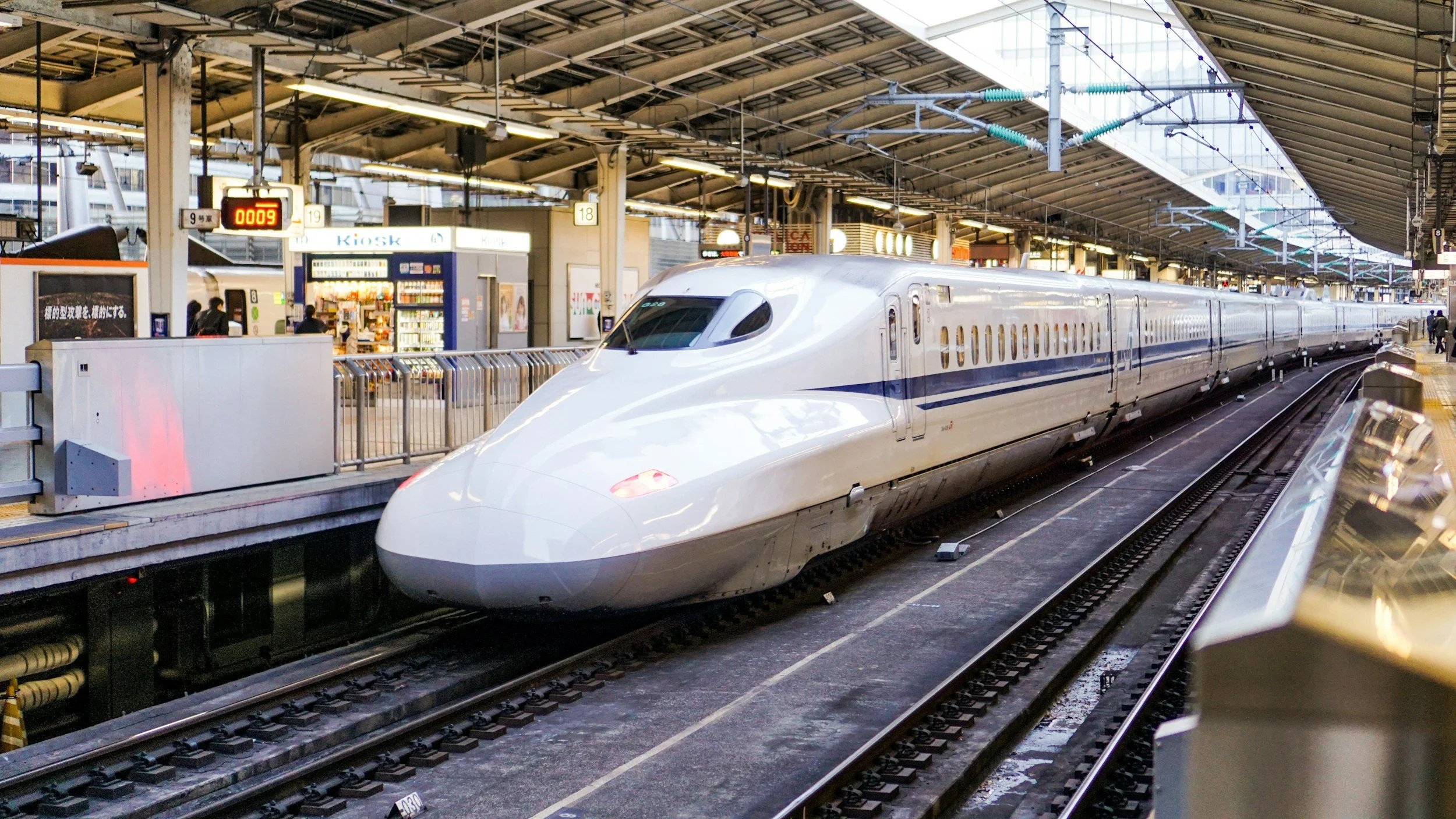
Riding the Shinkansen is a Japan experience in itself — 99 minutes of watching the city fall away and the mountains take over. With just a little preparation, the journey becomes part of the trip, a lovely way to ease into the gentle hospitality of rural Japan.